Diet Soda: Good or Bad?


Diet Soda: Good or Bad?

Diet soda does not add nutritional value to your diet and not all options are low in calories or sugar-free. It may also contribute to certain health conditions.

0 of 1 minute, 3 secondsVolume 0%
 

Diet sodas are popular beverages all over the world, especially among people who want to reduce their sugar or calorie intake.

Instead of sugar, artificial sweeteners, such as aspartame, cyclamates, saccharin, acesulfame-k, or sucralose, are used to sweeten them.

Almost every popular sugar-sweetened beverage on the market has a “light” or a “diet” version — Diet Coke, Coke Zero, Pepsi Max, Sprite Zero, etc.

Diet sodas were first introduced in the 1950s for people with diabetes, though they were later marketed to people trying to control their weight or reduce their sugar intake.

Despite being free of sugar and calories, the health effects of diet drinks and artificial sweeteners are controversial.

Diet soda is essentially a mixture of carbonated water, artificial or natural sweetener, colors, flavors, and other food additives.

It usually has very few to no calories and no significant nutrition. For example, one 12-ounce (354-mL) can of Diet Coke contains no calories, sugar, fat, or protein and 40 mg of sodium (1).

However, not all sodas that use artificial sweeteners are low in calories or sugar-free. Some use sugar and sweetener together. For example, one can of Coca-Cola Life, which contains the natural sweetener stevia, contains 90 calories and 24 grams of sugar (2).

While recipes differ from brand to brand, some common ingredients in diet soda include:

  • Carbonated water. While sparkling water can occur in nature, most sodas are made by dissolving carbon dioxide into water under pressure (4).
  • Sweeteners. These include common artificial sweeteners, such as aspartame, saccharin, sucralose, or an herbal sweetener like stevia, which are 200–13,000 times sweeter than regular sugar (4, 5Trusted Source).
  • Acids. Certain acids, such as citric, malic, and phosphoric acid, are used to add tartness to soda drinks. They’re also linked to tooth enamel erosion (4).
  • Colors. The most commonly used colors are carotenoids, anthocyanins, and caramels (4).
  • Flavors. Many different kinds of natural juices or artificial flavors are used in diet soda, including fruits, berries, herbs, and cola (4).
  • Preservatives. These help diet sodas last longer on the supermarket shelf. A commonly used preservative is potassium benzoate (4).
  • Vitamins and minerals. Some diet soft drink manufacturers add vitamins and minerals to market their products as healthier no-calorie alternatives (4).
  • Caffeine. Just like regular soda, many diet sodas contain caffeine. A can of Diet Coke contains 46 mg of caffeine, while Diet Pepsi contains 35 mg (1, 6).
SUMMARY

Diet soda is a mixture of carbonated water, artificial or natural sweeteners, colors, flavors, and extra components like vitamins or caffeine. Most varieties contain zero or very few calories and no significant nutrition.

Because diet soda is usually calorie-free, it would be natural to assume it could aid weight loss. However, research suggests the association may not be so straightforward.

Several observational studies have found that using artificial sweeteners and drinking high amounts of diet soda is associated with an increased risk of obesity and metabolic syndrome (7Trusted Source, 8Trusted Source, 9Trusted Source, 10Trusted Source).

Scientists have suggested that diet soda may increase appetite by stimulating hunger hormones, altering sweet taste receptors, and triggering dopamine responses in the brain (11Trusted Source, 12, 13Trusted Source, 14).

Given that diet soft drinks have no calories, these responses may cause a higher intake of sweet or calorie-dense foods, resulting in weight gain. However, evidence of this is not consistent in human studies (5Trusted Source, 11Trusted Source, 15Trusted Source).

Another theory suggests that diet soda’s correlation to weight gain may be explained by people with bad dietary habits drinking more of it. The weight gain they experience may be caused by their existing dietary habits — not diet soda (16Trusted Source, 17Trusted Source).

Experimental studies do not support the claim that diet soda causes weight gain. In fact, these studies have found that replacing sugar-sweetened drinks with diet soda can result in weight loss (18Trusted Source, 19Trusted Source).

One study had overweight participants drink 24 ounces (710 mL) of diet soda or water per day for 1 year. At the end of the study, the diet soda group had experienced an average weight loss of 13.7 pounds (6.21 kg), compared with 5.5 pounds (2.5 kg) in the water group (20Trusted Source).

However, to add to the confusion, there’s evidence of bias in the scientific literature. Studies funded by the artificial sweetener industry have been found to have more favorable outcomes than non-industry studies, which may undermine the validity of their results (21Trusted Source).

Overall, more high quality research is needed to determine the true effects of diet soda on weight loss.

SUMMARY

Observational studies link diet soda with obesity. However, it’s not clear whether diet soda is a cause of this. Experimental studies show positive effects on weight loss, but these might be influenced by industry funding.

Although diet soda has no calories, sugar, or fat, it has been linked to the development of type 2 diabetes and heart disease in several studies.

Research has found that just one serving of an artificially sweetened drink per day is associated with an 8–13% higher risk of type 2 diabetes (22Trusted Source, 23Trusted Source).

A study in 64,850 women noted artificially sweetened drinks were associated with a 21% higher risk of developing type 2 diabetes. However, this was still half the risk associated with regular sugary drinks. Other studies have observed similar results (24Trusted Source, 25Trusted Source, 26Trusted Source, 27Trusted Source).

Conversely, a recent review found that diet soda is not associated with an increased risk of diabetes. Also, another study concluded that any association could be explained by the existing health status, weight changes, and body mass index of participants (28Trusted Source, 29Trusted Source).

Diet soda has also been linked to increased risks of high blood pressure and heart disease.

A review of four studies including 227,254 people observed that for each serving of artificially sweetened beverage per day, there is a 9% increased risk of high blood pressure. Other studies have found similar results (30Trusted Source, 31Trusted Source, 32Trusted Source).

Additionally, one study has linked diet soda to a small increase in the risk of stroke, but this was only based on observational data (33Trusted Source).

Because most of the studies were observational, it may be that the association could be explained another way. It’s possible that people who were already at risk of diabetes and high blood pressure chose to drink more diet soda (24Trusted Source, 34Trusted Source, 35Trusted Source).

More direct experimental research is needed to determine whether there’s any true causal relationship between diet soda and increased blood sugar or blood pressure.

SUMMARY

Observational studies have linked diet soda to type 2 diabetes, high blood pressure, and an increased risk of stroke. However, there’s a lack of research on the possible causes of these results. They may be due to preexisting risk factors like obesity.

Drinking diet soda has been linked to an increased risk of chronic kidney disease.

A recent study analyzed the diets of 15,368 people and found that the risk of developing end-stage kidney disease increased with the number of glasses of diet soda consumed per week.

Compared with those who consumed less than one glass per week, people who drank more than seven glasses of diet soda per week had nearly double the risk of developing kidney disease (36Trusted Source).

A suggested cause for the kidney damage is the high phosphorus content of soda, which may increase the acid load on the kidneys (36Trusted Source, 37Trusted Source).

However, it has also been suggested that people consuming high amounts of diet soda may do so to compensate for other poor dietary and lifestyle factors that may independently contribute to the development of kidney disease (36Trusted Source, 38Trusted Source).

Interestingly, studies investigating the effects of diet soda on the development of kidney stones have found mixed results.

One observational study noted that diet soda drinkers have a slightly increased risk of kidney stone development, but the risk was much smaller than the risk associated with drinking regular soda. In addition, this study has not been supported by other research (39Trusted Source).

Another study reported that the high citrate and malate content of some diet sodas may help treat kidney stones, particularly in people with low urine pH and uric acid stones. However, more research and human studies are needed (40Trusted Source).

SUMMARY

Observational studies have found an association between drinking a lot of diet soda and the development of kidney disease. If diet soda does cause this, a potential reason could be increased acid load on the kidneys due to its high phosphorus content.

Drinking diet soda while pregnant has been linked to some negative outcomes, including preterm delivery and childhood obesity.

A Norwegian study in 60,761 pregnant women found that intake of artificially sweetened and sugar-containing drinks was associated with an 11% higher risk of preterm delivery (41Trusted Source).

Earlier Danish research supports these findings. A study in almost 60,000 women found that women who consumed one serving of diet soda per day were 1.4 times more likely to deliver preterm than those who did not (42Trusted Source).

However, recent research in 8,914 women in England did not find any association between diet cola and preterm delivery. However, the authors admitted that the study may not have been big enough and had been limited to diet cola (43Trusted Source).

It’s important to note that these studies were only observational and offer no explanation of exactly how diet soda may contribute to preterm birth.

Furthermore, consuming artificially sweetened drinks while pregnant is significantly associated with an increased risk of childhood obesity (44Trusted Source).

One study found that the daily consumption of diet drinks during pregnancy doubled the risk of a baby being overweight at 1 year of age (45Trusted Source).

Further research is needed to analyze the potential biological causes and long-term health risks for children exposed to artificially sweetened sodas in the womb.

SUMMARY

Large studies have linked diet soda to preterm delivery. However, a causal link has not been found. Additionally, infants of mothers who drank diet soda while pregnant are at an increased risk of being overweight.

There are several other documented health effects of diet sodas, including:

  • May reduce fatty liver. Some studies have shown that replacing regular soda with diet soda can reduce fat around the liver. Other studies have found no effect (46Trusted Source, 47).
  • No increase in reflux. Despite anecdotal reports, carbonated drinks have not been found to make reflux or heartburn worse. However, the research is mixed, and more experimental studies are needed (3Trusted Source, 48Trusted Source).
  • No strong links to cancer. Most of the research on artificial sweeteners and diet soda has found no evidence it causes cancer. A slight increase in lymphoma and multiple myeloma in men was reported, but the results were weak (49Trusted Source, 50Trusted Source).
  • Changes to the gut microbiome. Artificial sweeteners may alter the gut flora, leading to reduced blood sugar control and potentially increasing the risk of type 2 diabetes. One study found all of the six tested artificial sweeteners damaged the gut microbiome in various ways. Another found the way people’s gut flora reacted to artificial sweeteners was highly individualized (51Trusted Source, 52Trusted Source, 53, 54Trusted Source).
  • Increased risk of osteoporosis. Diet and regular cola is associated with bone mineral density loss in women, but not in men. The caffeine and phosphorus in cola might interfere with normal calcium absorption (5Trusted Source).
  • Tooth decay. Like regular soda, diet soda is associated with dental erosion due to its acidic pH level. This comes from the addition of acids, such as malic, citric, or phosphoric acid, for flavor (5Trusted Source, 55Trusted Source).
  • Linked to depression. Observational studies have found higher rates of depression among those who drank four or more diet or regular sodas per day. However, experiments are needed to determine whether diet soda is a cause (56Trusted Source).

While some of these results are interesting, more experimental research is needed to determine whether diet soda causes these issues, or if the findings are due to chance or other factors.

SUMMARY

Diet soda may improve fatty liver and does not appear to increase heartburn or the risk of cancer. However, it may reduce blood sugar control and increase the risks of depression, osteoporosis, and tooth decay. However, more research is needed.

Research on diet soda has produced a lot of conflicting evidence.

One explanation for this conflicting information is that most of the research is observational. This means it observes trends, but there’s a lack of information about whether diet soda intake is a cause or simply associated with the true cause.

Therefore, while some of the research sounds quite alarming, more high quality experimental studies are needed before concrete conclusions can be drawn about the health effects of diet soda.

Regardless, one thing is certain: Diet soda does not add any nutritional value to your diet.

So, if you’re looking to replace regular soda in your diet, other options may be better than diet soda. Next time, try an alternative like milk, coffee, black or herbal tea, or fruit-infused water.

Last medically reviewed on July 14, 2020

How we reviewed this article:

Our experts continually monitor the health and wellness space, and we update our articles when new information becomes available.

Current Version

Apr 19, 2023

Written By

Elise Mandl BSc, Msc, APD

Edited By

John Bassham

Copy Edited By

Christina Guzik, BA, MBA

Jul 14, 2020

Medically Reviewed By

Katherine Marengo, LDN, RD

Share this article

Was this article helpful?

Tip For Stripping Winter Leaves Off Large Roses


Try hand stripping all the leaves on a rose like this! Thankfully there is an easier way.
Photo/Illustration: Paul Zimmerman Roses

Most rose care books recommend removing old leaves on your roses either over the winter or right after pruning. The thinking is that doing so also removes any disease spores that may linger over the winter on the foliage.

It’s sound thinking and I feel a good idea. On living foliage fungal spores like blackspot can over winter, only to remerge the following spring. Removing the leaves and getting them out of the garden simply means less fungal spores in spring when the roses burst back into growth.

This is easy to do when pruning hybrid tea roses in the classic style. You simply prune them down to 18 inches or so and then pick off what few leaves remain. But, today’s modern shrub roses (and many old roses) don’t get cut back hard aka the classic hybrid tea method. Instead, after things like dead and weak canes are removed, they are simply shaped into the desired size for that spot in the garden. Of course coupled with their preferred mature size.

This makes pruning easier because there is less to cut, but it makes leaf stripping a whole lot harder because there are a lot of leaves left. Stripping all those leaves by hand does not fit into the concept of easy care shrub roses. Not to mention try doing that on a large climbing rose!

Thankfully there is an easier way. Burn them off.

No, not with a torch or by setting the rose on fire!

Instead use a product that should be part of your winter pruning regime anyway. Dormant Lime and Sulfur Spray coupled with Horticultural Oil.

When used together on just pruned roses they kill any remaining fungal spores. The sulfur does the killing and the oil makes sure it sticks to the plant so it can do its job. Sulfur by itself can also be used during the growing season to help get a fungal outbreak under control and you can read about that here in a previous post. Note the one thing I warn against when using it during the growing season is to do it on a cloudy day because it, in combination with direct sun, can burn the leaves.

But now we can harness that power for good!

After you finish your pruning, mix the sulfur and oil together as per directions on the bottle. Then spray it all over the roses, making sure to get the leaves really covered. Most importantly, make sure the sun is out and high in the sky. Once the sulfur and oil coat the leaves the sun will burn them and they will simply fall off. If they don’t all fall off you can apply it again in a few weeks and that should get the rest of them.

You can also do this well before pruning season if you want to get the leaves off so the winter winds don’t use them as sails and snap canes. Anytime after the roses go dormant is fine.

Since using the sulfur and oil is something you should do anyway, you aren’t adding to your work load. Doing it while the sun is out combines two jobs and proves as with so many things – timing is everything!

Happy Roseing
Paul

PITIRIAZISUL : SCHEMA SIMPLA DE TRATAMENT


PITIRIAZISUL : SCHEMA SIMPLA DE TRATAMENT

pitiriazis

pitiriazis-versicolor-caz-4

versicolor

PASI SIMPLI DE URMAT IN TRATAMENTUL PITIRIAZISULUI

1. Cine ?

– ciuperca Malassesia (Microsporum) furfur – face parte din microflora obisnuita a pielii oamenilor, cu prezenta de 18% la copii si 90-100% la adulti.
– localizare pe torace si gat

2. De ce?
– predispozitie genetiga, climat cald si umed, imunitate scazuta
! Nu este contagioasa deoarece face parte din flora normala a pielii !

3. Ce se intampla?
– pete de mici dimensiuni initial, culoare maronie, care evolueaza lent fara tratament si se extind
– poate apare o mancarime blanda (nu ar trebui scarpinat pentru a nu raspandi mai repede ciuperca)
– nu este periculoasa pentru sanatate si nu lasa cicatrici sau urme

4. Cum tratez?

Schema de tratament cu asocieri si alternative in 3 pasi, primii 2 obligatorii, durata tratament 1-4 saptamani

• trebuie sa curat si sa dezinfectez cu SAMPON CU KETOCONAZOL = SEBODERM 2% 125ml
– aplic, las sa actioneze 5-10 min, clatesc, zilnic, timp de 1-4 saptamani !!!

– alternative : Dan Free sampon 100ml , sapun cu sulf, sapun dermatologic cu ph 5,5, gel de dus dermatologic ph 5,5
(fara sapun, ph 5,5, calmant, bland, nu usuca, reface pielea, ajuta in tratament)

• trebuie sa tratez local cu creme si unguente antimicotice aplicate de 1-2 ori pe zi, timp de 1-4 saptamani. Lista este in ordinea eficientei aspura ciupercii: NIZORAL, CLOTRIMAZOL, MICONAZOL, PIMAFUCIN, EXODERIL, BIAZOL, TERBINAFINA. ( ar putea fi asociate doua creme diferite, aplicate alternativ intr-o zi, pentru un efect ridicat)

In farmacia noastra se prepara solutii si creme complexe specifice pentru acest tip de afectiune, individualizat in contextul unic al fiecariu caz in parte.

• pot sa tratez pe cale generala cu ITRACONAZOL 200MG/ZI TIMP DE 7 ZILE (nu prea are alternativa, fluconazolul nu este atat de eficient pe acest tip de ciuperca). Pret tratament =1 cutie x 15 cps = 1 tratament = 50 lei aproximativ, in funtie pe produsul comercial si se compenseaza 50%. Reactii adverse: greata, voma, cefalee, ameteli, balonari, crampe, hepatotoxicitate. Se administreaza imediat dupa masa. Recomandari asociate: hepatoprotectoare

5. Rezultate: a) tratez definitiv; b) recidiveaza cu 1 – 4 episoade pe an;

6. Concluzii: Tratament local intensiv 4 saptamani si daca nu rezolv, tratament pe cale generala.
Samponul cu Ketoconazol obligatoriu, pentru ca e usor de folosit si eficient plus 2 unguente asociate: Nizoral si oricare altul din lista.
As schimba unguentele daca nu apar rezultate intr-o saptamana de utilizare corecta.

Sanatate, piele frumoasa si luminoasa !

Pitiriazis versicolor: Ce este, simptome si tratament


Pitiriazis versicolor: Ce este, simptome si tratament

25. 3. 2022 · Farmacistul Dr. Max · 7 minute de citit

Pitiriazis versicolor reprezinta o micoza cutanata des intalnita. Aceasta se manifesta prin pete cafenii aparute la nivelul pielii, in special pe corp. Interfereaza cu pigamnetarea naturala a epidermei si debuteaza prin pete inchise la culoare, care ulterior pot sa se decoloreze.

Petele au forme neregulate, asemanate deseori cu modele de confetti mai mari sau mai mici. Cel mai adesea sunt intalnite pe umeri sau pe decolteu, insa pot aparea si la nivelul bratelor, al picioarelor sau chiar al fetei.

Ce este pitiriazisul versicolor ?

Cunoscut in termeni medicali si drept tinea versicolor, pitiriazisul este o infectie fungica a pielii, provocata de contactarea unei ciuperci. Este des intalnita in randul tuturor categoriilor de varsta si poate fi identificata cu usurinta datorita petelor mici si decolorate sau inchise la culoare de la nivelul tegumentelor (semne specifice, vizibile). Cu toate acestea, mai afectati sunt adultii tineri (15 - 24 de ani), pitiriazisul versicolor fiind mai frecvent la barbati decat la femei.

Persoanele cu pitiriazis versicolor prezinta o predispozitie genetica. Aceasta implica scaderea specifica a apararii tegumentelor impotriva fungilor, desi imunitatea generala ramane in parametri normali.

Denumirea de „versicolor” denota faptul ca petele pot avea mai multe culori: albe, maronii, roz, rosiatice. Diagnosticarea este un proces facil, iar tratamentul specific afectiunii se poate incepe imediat. 

Care sunt cauzele aparitiei pitiriazisului versicolor ?

Privind din perspectiva fiziologica, pielea contine pe suprafata sa fungi si acarieni care nu cauzeaza disconfort si nu reperzinta o problema sau o cauza de ingrijorare. Afectiunile specifice acestui organ incep sa apara atunci cand bacteriile se inmultesc necontrolat, spirijinite de o serie de factori favorizanti. 

Fungii care sunt responsabili de aparitia pitiriazis versicolor sunt prezenti la aproximativ 90% din populatia adulta. Acestia fac parte din genul Malassezia colonizeaza pielea in mod natural, fiind insesizabili si inofensivi. Afectiunea apare atunci cand fungii se dezvolta excesiv, posibilele cauze putand fi:

  • Modificari hormonale determinate de varsta (adolescenti);
  • Transpirati abundenta, indiferent de sezon;
  • Factori din mediul inconjurator - umiditatea, caldura;
  • Alimentatie necorespunzatoare, predominanta in alegeri slabe din punct de vedere nutritiv;
  • Imunodepresie;
  • Exces de sebum la nivelul pielii sau aplicarea constanta de substante grase;
  • Raspunsul imun al gazgei - pytiriasis versicolor apare, de regula, in stari imunosupresive.

Deoarece fungii responsabili de aparitia tineei versicolor se regasesc pe pielea majoritatii oamenilor, afectiunea nu este considerata ca fiind una contagioasa. 

Care sunt simptomele acestei afectiuni dermatologice?

Simptomele cauzate de prezenta pitiriazis versicolor sunt destul de sufestive si faciliteaza identificarea afectiunii. Boala se manifesta prin prezenta petelor la nivelul tegumentelor. 

In forma sa hiperpigmentara, pitiriazisul versicolor apare sub forma de pete brune sau de culoare maronie inchisa. Fungii determina culoarea specifica din cauza maririi secretiei:

  • melanozomilor - granulele raspunzatoare de productia de melanina, pigmentul care da culoarea pielii; 
  • keratinocitelor - celule ale pielii regasite in stratul bazal (ultimul strat al epidermului cu rol germinativ, de regenerare).

Varianta hipopigmentara a afectiunii (pitiriazisul alb) apare din cauza prezentei unei acidului azaleic (o substanta chimica produsa de aceste ciuperci). Aceasta se imprastie la nivelul epidermului si impiedica functiile normale ale melanocitelor.

Afectiunea se poate manifesta si prin pete de culoare roz (inflamate). In aceasta versiune, de cele mai multe ori se poate vorbi si despre prezenta unei forme usoare de dermatita. Aceasta a fost generata fie de microorganismele in sine, fie de produsii lor de metabolism.

Cu toate acestea, cele trei variante reprezinta forme de simptomatologie diferita si sunt foarte rar intalnite concomitent la acelasi pacient.

Exista anumite afectiuni ale pielii care genereaza simptome similiare cu pitiriazis versicolor, cum ar fi vitiligo. De asemenea, vitiligo poate diferi de micoza tinea din mai multe aspecte:

  • Nu afecteaza textura pielii;
  • Apare de cele mai multe ori la nivelul degentelor de la maini si picioare, pe incheieturi, axile, gura sau ochi, fie in zona inghinala;
  • Pielea se pigmenteaza sau decoloreaza adesea in forme simetrice.

Cum se stabileste diagnosticul?

Diagnosticarea corecta a pitiriazis versicolor se poate realiza numai in urma unui consult dermatologic de specialitate. Se recomanda ca acesta sa fie efectuat imediat ce modificarile de la nivelul pielii incep sa apara. De cele mai multe ori, acesta poate fi pus doar prin aflarea istoricului medical al persoanei in cauza, urmat de inspectarea zonei pe care au aparut modificarile tegumentare.

De asemenea, diagnosticul poate fi pus, in unele cazuri pe baza unui set de analize suplimentare care pot include: 

  • examinarea cu ajutorul lampei Wood (lumina neagra): fungii din regnul Malassezia au o fluorescenta  galben-verzuie caracteristica – rezultatul se afla imediat;
  • examenul microscopic direct cu hidroxid de potasiu (KOh) - rezultatul este disponibil in aproximativ 20 de minute;
  • prelevarea de culturi fungice - este un procedeu dificil din punct de vedere tehnic, al carui rezultat poate fi aflat in decurs de circa doua saptamani;
  • realizarea unei biopsii cutanate sau virtuale - se realizeaza in principal pentru un diagnostic diferential, in cazul in care tratamentul administrat initial nu ofera rezultatele scontate.

Care sunt factorii de risc?

Desi este o afectiune care se poate trata cu usurinta atunci cand este diagnosticata la timp, ca orice boala, pitiriazis versicolor prezinta anumite riscuri. Modificarile cutanate care pot aparea initial sub forma unor pete pigamentare se pot manifesta si printr-o textura diferita, scuamoasa. 

Acestea se pot extinde sub forma unei eruptii cutanate si pot provoca prurit daca sunt expuse la factori favorizanti, precum calcura sau umezeala excesiva.

Pityriasis rubra pilaris este o forma severa a timea versicolor - se manifesta prin aparitia papulor cornoase foliculare - vezicule la baza firului de par (pacientii pot observa si ingrosarea pielii palmelor sau a talpilor).

Odata cu aparitia pitiriazisului versicolor au fost asociati factori etiologici de tipul cancerului de piele, imunodepresiei sau adminstrarii de corticosteroizi. 

Alti factori de risc in evolutia pitiriazisului de cauza virala pot fi si:

  • Pruritul tegumentar;
  • Cefaleea;
  • Starea febrila;
  • Durerile musculare;
  • Durerile articulare;
  • Ulceratiile, veziculele si punctele hemoragice la nivelul mucoasei cavitatii bucale.

In cazuri mai severe, dar foarte rar intalnite, s-au raportat leziuni la nivelul pliurilor axilare, inghinale si ale zonei cervicale.

Pitiriazis versicolor: tratament

Tratamentul pitiriazis versicolor este util pentru profilaxia extinderii iritatiei cutanate, dar si pentru imbunatatirea aspectului pielii. Daca nu este administrat tratamentul corespunzator, boala poate persista pana la batranete, cand pielea isi pierde calitatile uleioase.

Daca forma iritatiei este una severa si acopera portiuni mari de piele, este recidivanta sau nu se amelioreaza la tratament, se poate initia un tratament bazat pe comprimate antifungice.

Anumite tipuri si forme de administrare a antifungicului sunt disponibile sub forma de pastile fara prescriptie medicala. Cu toate acestea, este recomandat sa efectuati un consult dermatologic de specialitate pentru a primi un diagnostic corect in urma caruia medicul sa va poate administra o schema de tratament corespunzatoare.

Unele dintre antifungicele cu efect asupra pitiriazisului versicolor sunt:

  • Samponul cu sulfat de seleniu;
  • Solutiile sau comprimatele cu fluconazol;
  • Cremele sau gelurile cu ketonazol;
  • Solutiile sau capsulele care contul itraconazol;
  • Cremele sau gelurile cu ciclopirox.

Desi ciupercile de la nivelul pielii vor fi distruse rapid de tratamentul administrat, aspectul cutanat se va reface in urma unei perioade mai indelungate de timp, de pana la cateva luni.

Spalarea normala a hainelor este eficienta pentru indepartarea ciupercilor, dar in cazul in care suferiti de tinea versicolor se recomanda igienizarea hainelor cu aburi si spalarea acestora cu detergenti antifungici si apa foarte fierbinte.

Pitiriazis versicolor este o afectiune des intalnita care afecteaza persoanele expuse frecvent la factorii favorizanti prezentati mai sus. Daca va confruntati cu pete pigmentare la nivelul tegumentelor, este recomandat un consult dermatologic cat mai rapid. 

Afectiunea este usor de diagnosticat si tratat atunci cand este depistata in timp optim, reducand semnificativ riscul complicatiilor. Aveti intotdeauna grija de pielea dumneavoastra cu produse potrivite sezonului. 

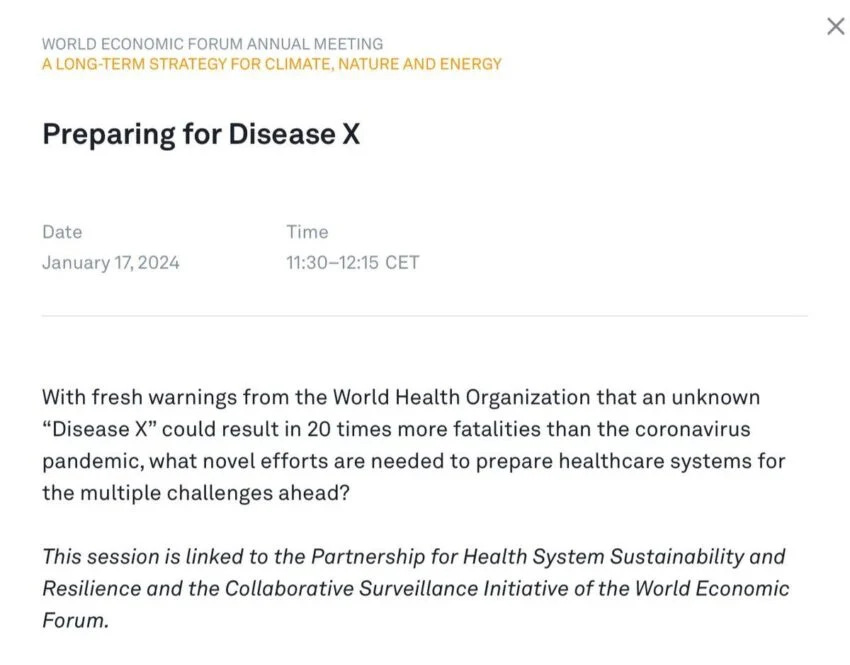
Forumului Economic Mondial de la Davos: "Boala X ar putea provoca de 20 de ori mai multe decese decât pandemia de Covid"


Forumului Economic Mondial de la Davos: "Boala X ar putea provoca de 20 de ori mai multe decese decât pandemia de Covid"

Postat la: 12.01.2024 | Scris de: ZIUA NEWS

0

Forumului Economic Mondial de la Davos: "Boala X ar putea provoca de 20 de ori mai multe decese decât pandemia de Covid"

Forumul Economic Mondial are obisnuitul summit anual de la Davos, în perioada 15-19 ianuarie. Unul dintre subiectele de pe ordinea de zi a stârnit unele curiozități, "Pregătirea pentru boala X", la 17 ianuarie.

S-a raportat că virusul COVID a făcut aproximativ 7 milioane de victime în întreaga lume, dar "Boala X", pe de altă parte, avertizează ei, "ar putea provoca de 20 de ori mai multe decese decât pandemia de coronavirus". Un lucru interesant în legătură cu cei aflați la putere este că, de asemenea, ei cred adesea că lumea este suprapopulată. Dacă o pandemie de 20 de ori mai mortală decât COVID s-ar produce, făcând 140 de milioane de victime, liderii globali ar plânge sau ar sărbători în secret faptul că populația lumii a fost limitată?

Yuval Noah Harari, unul dintre autorii preferați ai lui Barack Obama și un vorbitor frecvent la Davos, a ridicat "marea întrebare politică și economică a secolului XXI", și anume "La ce avem nevoie de oameni? Sau, cel puțin, pentru ce avem nevoie de atât de mulți oameni?". Amintiți-vă că exercițiul de masă, Evenimentul 201, a avut loc cu doar câteva luni înainte ca COVID-19 să fie identificat pentru prima dată în decembrie 2019 în orașul Wuhan. Este exclus să ne gândim că o altă așa-zisă pandemie ar putea fi chiar după colț?

Medici precum Peter McCullough și James Thorp subliniază importanța de a fi pregătiți și de a avea la îndemână medicamente salvatoare pentru orice urgență - pandemică sau nu - pe care viața o aruncă asupra ta în continuare. "Ați văzut toate amenințările din partea instituțiilor care sugerează că nu va exista disponibilitate a medicamentelor într-un viitor nu prea îndepărtat", avertizează doctorul James Thorp, obstetrician-ginecolog și specialist în medicină materno-fetală. "Ei ne spun - ne amenință că urmează o altă pandemie". "Așa că, uitați-vă la asta și protejați-vă".

"Să ne facem provizii", a îndemnat Dr. Thorp. "Fac acest lucru din 1995 - întotdeauna îmi fac provizii. Am făcut acest lucru [în] anul dinaintea Y2K - merg direct la farmacie și mă aprovizionez cu cantități masive de medicamente importante. Fac acest lucru de 20 de ani și, credeți-mă, chiar și înainte de pandemie, a salvat cu adevărat o mulțime de pacienți și membri ai familiei mele, deoarece atunci când au nevoie de medicamente, nu le pot obține".

The Wellness Company a alcătuit un kit de urgență medicală cu opt medicamente care pot salva vieți, care include Ivermectin și Z-Pak, pentru tratamentul COVID-19, faringită streptococică, pneumonie, greață și vărsături și multe altele. Trusa completă include:

- Amoxicilină-Clavulanat (generic Augmentin) 875/125 mg - 28 comprimate
- Azitromicină (generic Z-Pak) 250 mg - 12 comprimate
- Doxiciclină Hyclate 100 mg - 60 de capsule
- Metronidazol (generic Flagyl) 500 mg - 30 comprimate
- Trimetoprim-Sulfametoxazol (generic Bactrim) 800/160 mg - 28 comprimate
- Ivermectină 18 mg - 7 capsule compuse
- Fluconazol (generic Diflucan) 150 mg - 2 comprimate
- Ondansetron (generic Zofran) 4mg - 6 comprimate

Don’t give up meat, it’s better for your health than you think


sursa: https://www.telegraph.co.uk/health-fitness/diet/nutrition/meat-is-better-for-you-than-you-think/


Sorting the good meat from the bad is far more important than giving it up altogether, say scientists

Hattie Garlick1 January 2024 • 5:00am


A growing body of research suggests that meat is a complex beast – this is what you should, and shouldn't eat

Is the scent of a delicious roast dinner currently wafting from your oven, making you salivate? Will you feel just a smidge guilty as you tuck in?

Never mind the people trying Veganuary this month, all of us have been told that eating meat is bad. Not only for the planet, but for our health. Every bite of that brisket will raise your risk of cancer, heart disease and more. A second helping will send you to an early grave.

But will it? A growing body of research suggests that meat is a complex beast. Acres of difference stand between a high welfare, grass-fed sirloin steak and the impact on your body of a highly processed hot dog. The NHS advises that people who eat 90 grams of processed or red meat a day – equivalent to a couple of rashers of bacon – should cut down to 70 grams.

What’s clear is that, cooked with care and eaten selectively, meat may even boost your health. A recent report by the University of Edinburgh suggests that without better awareness of alternative sources of nutrients, the targets to reduce meat and dairy consumption by 20 per cent by 2035 might actually raise health risks, inadvertently exacerbating deficiencies in important minerals including selenium, iron and zinc.  

But ethics and environment aside, what do we really know about the impact that eating meat has on our health?

Why we shouldn’t give up on meat

Veganism and vegetarianism have become shorthand terms for healthier lifestyles, says Dr Wenpeng You, biomedicine researcher at the University of Adelaide in Australia. But after he and his team examined the overall health effects of meat consumption in 175 countries, taking into account factors including affluence, obesity and overall calorie consumption, their results, published in the International Journal of General Medicine last year, suggest that meat consumption does not send people to an early grave. In fact, it extends life expectancy.

Dr You is not hugely surprised. Humans, he suggests, are hardwired to eat animal protein. “Until about 12,000 years ago, there were not many sources of other nutrients that we could digest.”

In fact, meat may become an increasingly useful and convenient source of nutrition as we age, suggests Prof James Goodwin, director of science at the Brain Health Network and author of Supercharge Your Brain. “From middle age onwards, a process called sarcopenia, or muscle loss, progresses at 1-2 per cent a year.” If you want to counter this loss, 30 per cent of your food should be protein, he suggests.  

You could, of course, get all this protein from plants. It is just a lot more complicated. Nutritional therapist Lucy Miller says animal proteins are “complete” – meaning they contain all the amino acids our bodies need.

The odd BLT is OK but avoid processed meat when you can

There is strong evidence that processed meat – including ham, bacon, corned beef and some sausages – increases the risk of bowel cancer, says Dr Julie Sharp, head of health information at Cancer Research UK. “Nitrates and nitrites, which are added to processed meat to keep it fresh for longer, can form chemicals called N-nitroso chemicals (or NOCs) during digestion that can damage the cells in the bowel,” she explains.

Processed meats are also high in blood-pressure-raising sodium, says consultant cardiologist Dr Neil Srinivasan. Eating two servings a week may raise your risk of heart and circulatory diseases by 7 per cent.

The other bad news is that processed meats have also been linked to Type 2 diabetes, while a 2021 observational study correlated the consumption of 25g of processed meat a day to a 44 per cent increase in risk of dementia.


The good news about red meat

“Red meat is one of the best available sources of iron, zinc and B vitamins, in particular vitamin B12,” says Dr Srinivasan. This means it has the potential to do your heart good, because low zinc levels have been linked to conditions including coronary artery disease and angina, while vitamins B6, B9, and B12 may lower the risk of heart disease and stroke. 

It is also rich in haem iron, says Miller, a highly absorbable form of the mineral that is only found in animal-based foods, “meaning that if you have a purely plant-based diet, you may not be absorbing high enough levels of iron”.

That haem, however, is controversial. During digestion, it breaks down into cancer-causing chemicals, says Dr Sharp. Plus, “when processed and red meats are cooked at high temperatures, such as grilling or barbecuing, other cancer-causing chemicals are produced, called heterocyclic amines (HCAs) and polycyclic aromatic hydrocarbons (PAHs).” Eating large quantities is therefore considered a likely cause of bowel cancer, although further research is needed to confirm that.

But what about heart disease? Red meat is higher in cholesterol than poultry or fish - a major reason it has, historically, been demonised. Yet “a number of studies now suggests it’s the mix of fats, sugar and refined carbohydrates in your diet that influences blood cholesterol, not the amount of cholesterol you eat from food,” says Miller. In fact, one study that came to this conclusion in 2010 criticised contemporary public health advice that promoted a move away from saturated fats found in animal products. The study, published in the American Journal of Clinical Nutrition, said the advice “has spurred a compensatory increase in consumption of refined carbohydrates and added sugars – a dietary shift that may be contributing to the current twin epidemics of obesity and diabetes”.

And dementia? “There is definitely a relationship between the consumption of unprocessed red meat and dementia,” says Prof Goodwin. “It reduces the risk.” A 2021 study linked 50g of unprocessed red meat a day to a reduction in the risk of Alzheimer’s. Not surprising, says Prof Goodwin: “The five most critical nutrients for the brain are all predominantly from animal sources,” he says. “Vitamin B12, Vitamin D, Omega 3 fatty acid, zinc and magnesium.” Modern Western diets are often low in them all.

How to choose your chicken

“White meat, such as chicken, and fish, are not linked to an increased risk of cancer,” says Sharp. In fact, good quality chicken is the best source of protein, says Miller, containing around 32g of protein in every 100g, compared to the 10g in the same amount of beans and legumes.

That said, in 2021, Oxford University researchers published a study involving 475,000 people – from voracious meat eaters to vegetarians. Keren Papier, the lead author, explains that “higher consumption of poultry meat was associated with higher risks of gastro-oesophageal reflux disease, gastritis and duodenitis, diverticular disease, gallbladder disease, and diabetes.” There is, however, one crucial and familiar addendum. “Most of these positive associations were reduced if body mass index (BMI) was taken into account,” says Papier. “This suggests that regular meat eaters having a higher average body weight could be partly causing these associations.”

Control your weight, and a roast chicken may not be the death of you. But here’s the rub. Around 95 per cent of chicken consumed in the UK is factory-farmed, says Miller, making it liable to be less nutritionally dense, and also higher in fat. In other words, we’re being sold chicken that makes it harder to get the health benefits without the health risks.

Why the quality and cut matters

Choose meat from factory farms, where animals are confined and fed a grain-based diet, and the nutritional content of your meat will diminish, says Miller, citing a review spanning three decades which found that grass-fed beef not only had more healthy carotenoids, vitamin E and other antioxidants, but also contained less fat, of unhealthier sorts.

“Grass-fed beef has more Omega 3 fatty acids than grain-fed beef,” agrees Prof Goodwin. “On organic [beef], the jury is out. Few studies show, unequivocally, that its nutrient levels are better, just that there are no pesticides in it.”

The cut counts too. “Unprocessed, lean meats and cuts are healthier for your heart,” says Dr Srinivasan. “So ask your butcher for a lean cut and, if buying pre-packed meat, check the nutrition label to see how much fat it contains and compare products.”

The healthy way to eat meat – and how much

Back in 1996, a study was published that examined the health outcomes of 11,000 “health conscious” Brits, some vegetarian, others omnivore, recruited from places such as health food shops. After 17 years, both camps had half the death rate compared with the average population. The key influence appeared not to be whether or not they ate meat, but whether or not they ate lots of fresh fruit and raw salad. 

“In the West, an estimated 75 per cent of all our calories comes from just five animals and 12 plants – a woefully narrow diet,” says Prof Goodwin. It is this narrowness that lies at the root of many health problems, he suggests. So, “ask yourself the following question: have I eaten 30 types of plant and more than five types of animal food this week?” The answer, he suggests, may not be to exclude meat altogether but “to eat a better quality, more balanced and diverse diet”.


Meat: the good and the bad for your health

1. Steak filet 

Good: a source of iron, zinc and B vitamins 

2. Chicken breast

Good: but avoid factory farmed chicken, which is higher in fat 

3. Sausage 

Bad: processed meat raises your risk of bowel cancer 

4. Lamb chops 

Bad: avoid barbecuing, as meat can become carcinogenic

5. Venison steak 

Good: lower in fat than any other red meat 

6. Bacon rasher 

Bad: buy nitrate-free bacon to lower the cancer risk 

7. Slice of turkey 

Good: an excellent source of selenium, a mineral that can help prevent certain cancers 

8. Parma ham 

Good: free of additives, this is one of the healthiest ham options